Does a blackwork tattoo hurt?
Yes, it hurts — I won't sell you otherwise. But it hurts in a manageable way, very dependent on the area, and there's plenty you can do to handle it well. Let's go with the truth, without dramatising or downplaying.
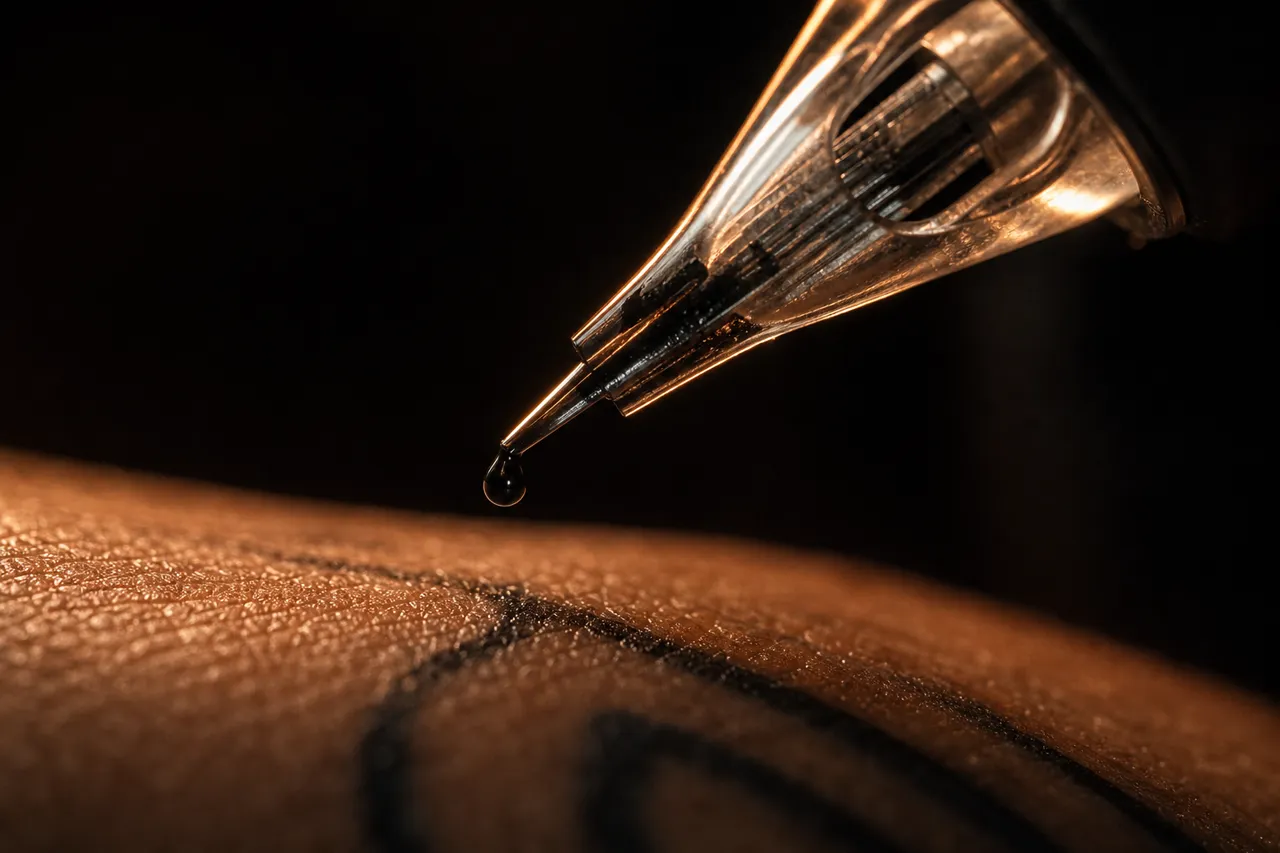
What the pain is actually like
Most people describe it as a hot, constant scratch, more annoying than unbearable. The body settles in the first few minutes and falls into a kind of routine. What tires you out on a large piece isn't a spike of pain, it's the duration: holding the discomfort for hours.
Why the black fill is felt more
In blackwork there are two very different moments. The line is fast: one pass and it's done. The solid-black fill is another story: to leave the surface even, with no gaps, the same skin is worked several times. That insistence over an already sensitised area is what makes the fill feel more. It's part of the price of the black staying solid and lasting.
The pain map
Easier areas
Where there's muscle and flesh: outer arm, thigh, calf, shoulder. They cushion the needle.
Demanding areas
Where bone or nerves are close to the skin: ribs, sternum, spine, elbow, knee, inner arm, hands, feet, neck. They can absolutely be tattooed, you just have to go in knowing they sting more.
How to show up ready for a long session
- Sleep well the night before. Tiredness lowers your pain threshold.
- Eat before you come. Getting tattooed on an empty stomach is a recipe for feeling faint.
- Hydrate in the days before; hydrated skin works better.
- No alcohol the day before: it thins the blood and complicates the session.
- Bring water and something sugary (a drink, fruit) for the dips.
- Comfortable clothing that gives easy access to the area.
During the session
We take breaks. Breathing deeply and steadily helps more than it seems; holding your breath does the opposite. And if one day the body says enough, we stop and continue another day — that's what working in sessions is for.
The pain is forgotten in days. The piece stays forever. Almost everyone, once it's over, says it was more bearable than they feared.
Quick questions
Can I take a painkiller beforehand?
Consult your doctor or pharmacist before taking a painkiller or changing medication for your session. Do not stop prescribed treatment on your own. Tell the artist about medication you take when planning the session; a tattoo artist does not replace medical advice.
Does it hurt more the first time because of nerves?
Nerves amplify everything. Knowing what to expect (exactly what this article covers) already takes half the battle away.
Does it hurt afterwards?
There's a mild burning feeling for a couple of days. I explain the healing in the aftercare guide.
Let's talk about your piece
I'll tell you what your session will be like based on the area, so you arrive calm and prepared.
Request your project